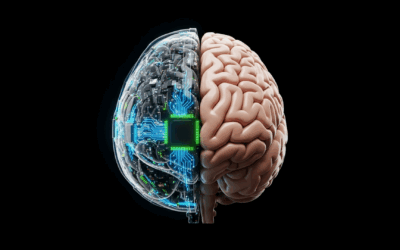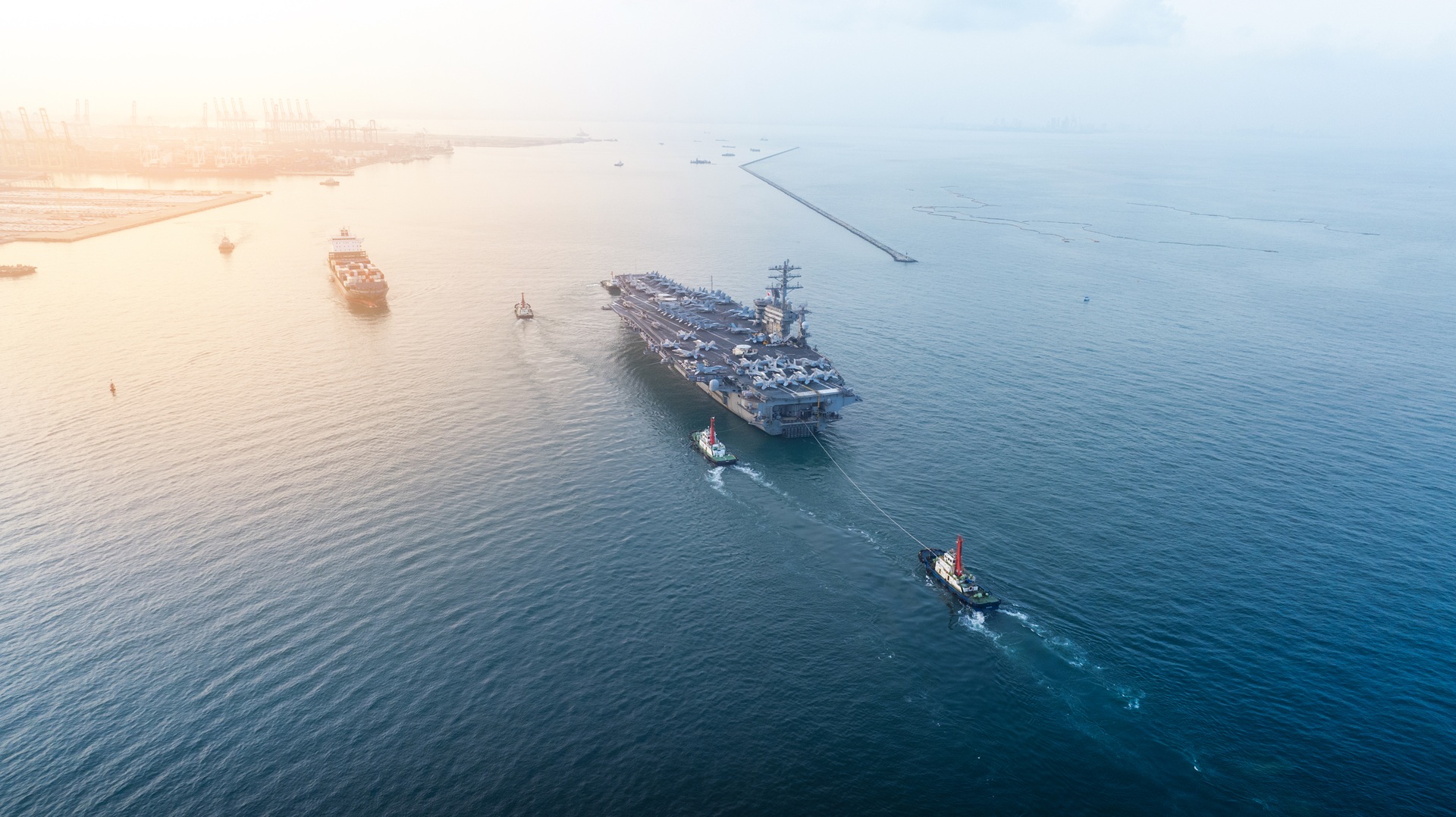
Husky Elijah Nieman is seeking the sweet spot between human adaptability and artificial intelligence’s tirelessness. The Michigan Technological University researcher is studying AI decision-making behavior to help the U.S. Navy’s intelligent onboard systems make better judgment calls in a constantly changing environment.
Just as electronic autopilots, digital chart-plotting, smart buoys and other technological innovations changed marine navigation, artificial intelligence is making an impact on vessel safety and efficiency, both in port and at sea. But to harness AI’s potential, scientists must first understand how AI systems interact with human decision-making.
Michigan Tech graduate student Elijah Nieman, who is on track to receive his Ph.D. in Applied Cognitive Science and Human Factors in 2027, explored this topic firsthand after being selected to participate in the Naval Research Enterprise Internship Program (NREIP). For 10 weeks this past summer, he worked in the U.S. Naval Research Laboratory in the John C. Stennis Space Center, located in Mississippi.
“What my research does is extend our ability to, in a sense, know what we don’t know,” said Nieman. “With all of the hype around AI, it feels very practical to take a step back and establish the fundamentals of the human and the machine to inform how we integrate with new technology.”
Read this article in full here.