Apply for MAST-P Support

Michigan manufacturers: Access capital and support services through the Michigan Auto Supplier Transition Program (MASTP) and position your business for the future of mobility.

The Battery Show North America

OCTOBER 12-15, 2026, Huntington Place, Detroit, MI

Automation Alley Trade Missions

Your Gateway to New, High-Growth Markets.

Join Project DIAMOnD Academy

Register for the Integr8 2026 Series

Your TPU 3D Printing Questions Answered

by | Mar 3, 2023

Summary

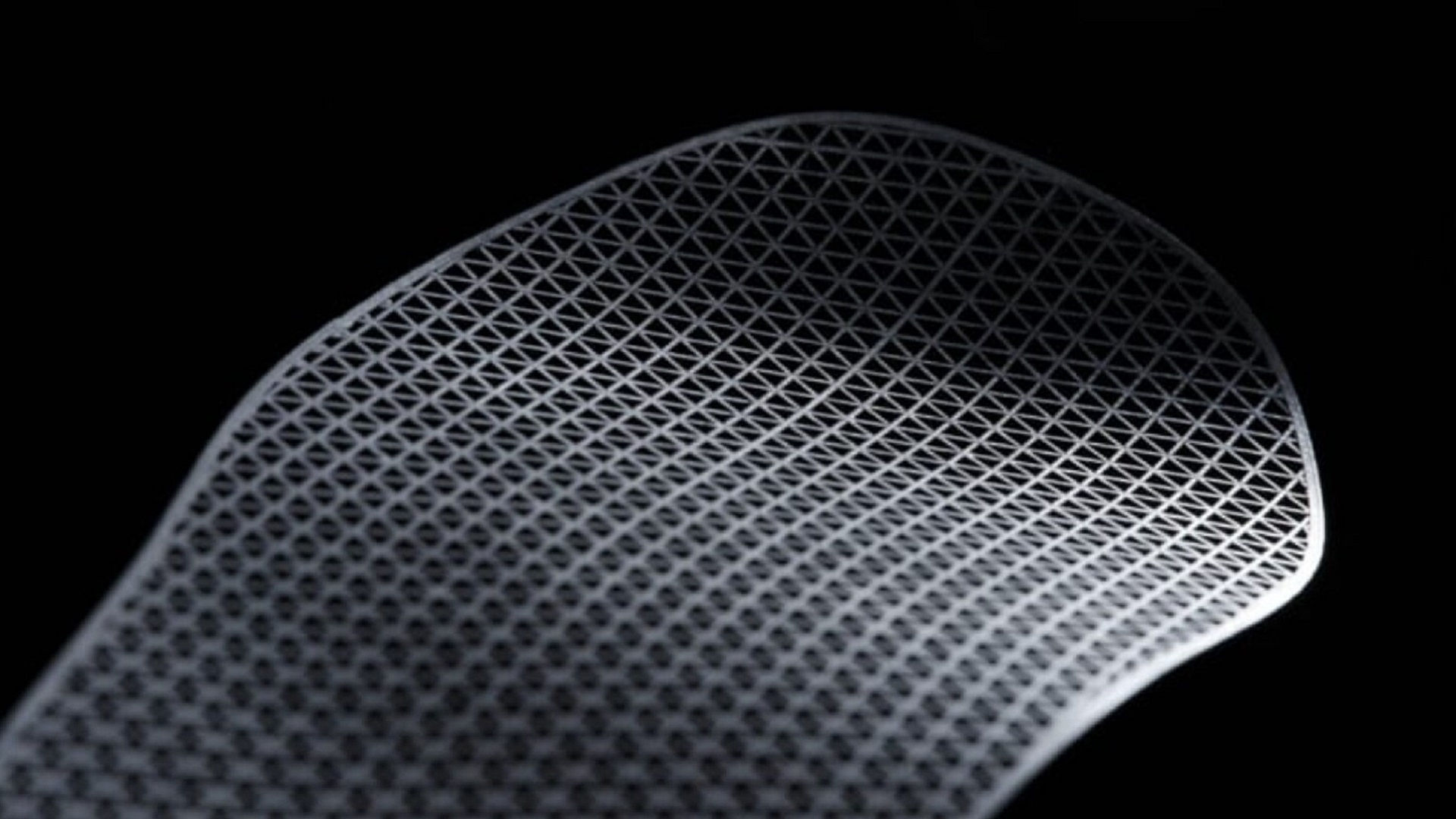
TPU (Thermoplastic Polyurethane) filament, a type of TPE (Thermoplastic Elastomer), creates additive manufacturing applications for strong, flexible and rubber-like parts. Learn about the new capabilities of this 3D printing material and how to utilize it to its fullest potential.

What is TPU 3D printing? TPU (Thermoplastic Polyurethane) filament, a type of TPE (Thermoplastic Elastomer), is unique amongst widely available 3D printing materials.

Unlike stiff composite parts that are replacing aluminum in factories, 3D printing with TPU filament applies the many benefits of additive manufacturing to a different category of parts: strong, flexible, rubber-like parts.

Interested in learning more about the manufacturing potential of this unique 3D printing filament? Read this article for a rundown of 3D printing with TPU.

Read more here.

Markforged

We’re creating the technology and tools that make it easy for anyone to create production-quality parts, anywhere and anytime. So our customers can quickly solve manufacturing problems and build stronger supply chains—just by pressing print.

More

Additive Manufacturing in the Automotive Industry

What is Automotive Additive Manufacturing? Automotive additive manufacturing (AM) is the process of creating vehicle components by layering materials based on digital 3D models. It allows for rapid prototyping, the production of complex geometries, and the creation of...

Related

Additive Manufacturing in the Automotive Industry

Additive Manufacturing in the Automotive Industry

Automotive manufacturers are using additive manufacturing to accelerate product development, reduce tooling lead times, support low-volume production, and produce replacement parts on demand. This guide explores the key applications, benefits, challenges, materials, and technologies shaping automotive 3D printing, along with real-world examples of how manufacturers are putting additive manufacturing into practice.