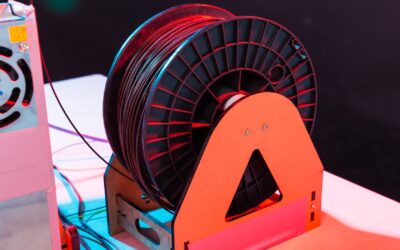

3D Printing
3D printing, also known as additive manufacturing, is a process of creating three-dimensional objects by layering materials based on a digital design. It enables the production of complex and customized objects with various materials, ranging from plastics to metals, by depositing successive layers of material until the desired object is formed. Besides its technical advantages, additive manufacturing also shortens complex production processes, enables distributed manufacturing and is more sustainable than traditional manufacturing.
Articles
The 24-Hour Fixture: How High-Performance Automotive Shops are Bypassing the Machine Shop
Additive Manufacturing in the Automotive Industry
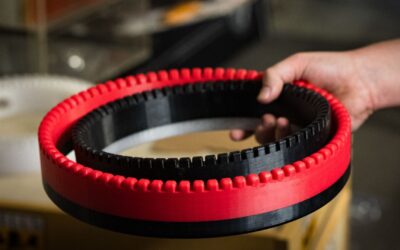
How Tania’s Pizza Used 3D Printing to Improve Its Signature Stuffed Pizza
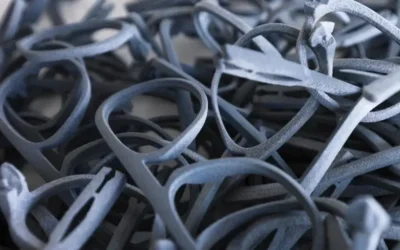
Powder Bed Fusion 3D Printing: Opening New Manufacturing Possibilities
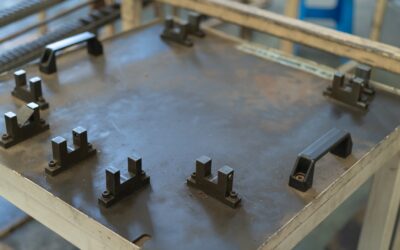
The Basics & Methods of Fixturing
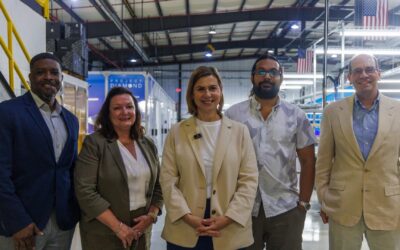
Senator Elissa Slotkin Visits Project DIAMOnD Digital Transformation Center
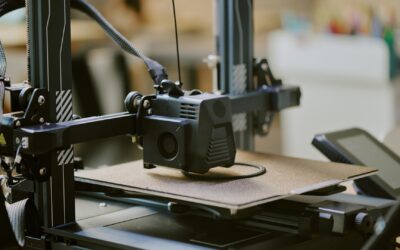
How Additive Manufacturing can Break out of its Vicious Cycle