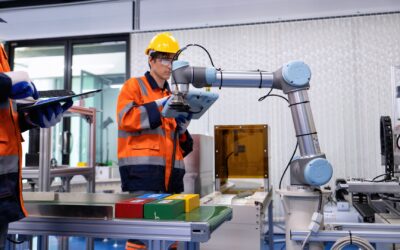

By leveraging advanced data analytics and AI technologies, predictive maintenance aims to predict equipment failures before they occur, thus optimizing maintenance schedules and reducing unexpected downtime.
Key aspects of predictive maintenance include:
Proactive Maintenance: Instead of waiting for equipment to fail, predictive maintenance uses real-time data to anticipate issues, enabling pre-emptive repairs.
Data-Driven Insights: By analyzing historical data and real-time condition indicators, businesses can forecast potential failures and address them before they escalate.
Reduced Downtime: Accurate predictions of equipment failures help avoid unplanned downtime.
Harnessing Data for Efficient Decision-Making
One of the primary advantages of predictive maintenance is its reliance on extensive data sources.
Read this article in full here.
Siemens is a technology company focused on industry, infrastructure, transport, and healthcare. From more resource-efficient factories, resilient supply chains, and smarter buildings and grids, to cleaner and more comfortable transportation as well as advanced healthcare, the company creates technology with purpose adding real value for customers. By combining the real and the digital worlds, Siemens empowers its customers to transform their industries and markets, helping them to transform the everyday for billions of people.