Apply for MAST-P Support

Michigan manufacturers: Access capital and support services through the Michigan Auto Supplier Transition Program (MASTP) and position your business for the future of mobility.

The Battery Show North America

OCTOBER 12-15, 2026, Huntington Place, Detroit, MI

Automation Alley Trade Missions

Your Gateway to New, High-Growth Markets.

Join Project DIAMOnD Academy

Register for the Integr8 2026 Series

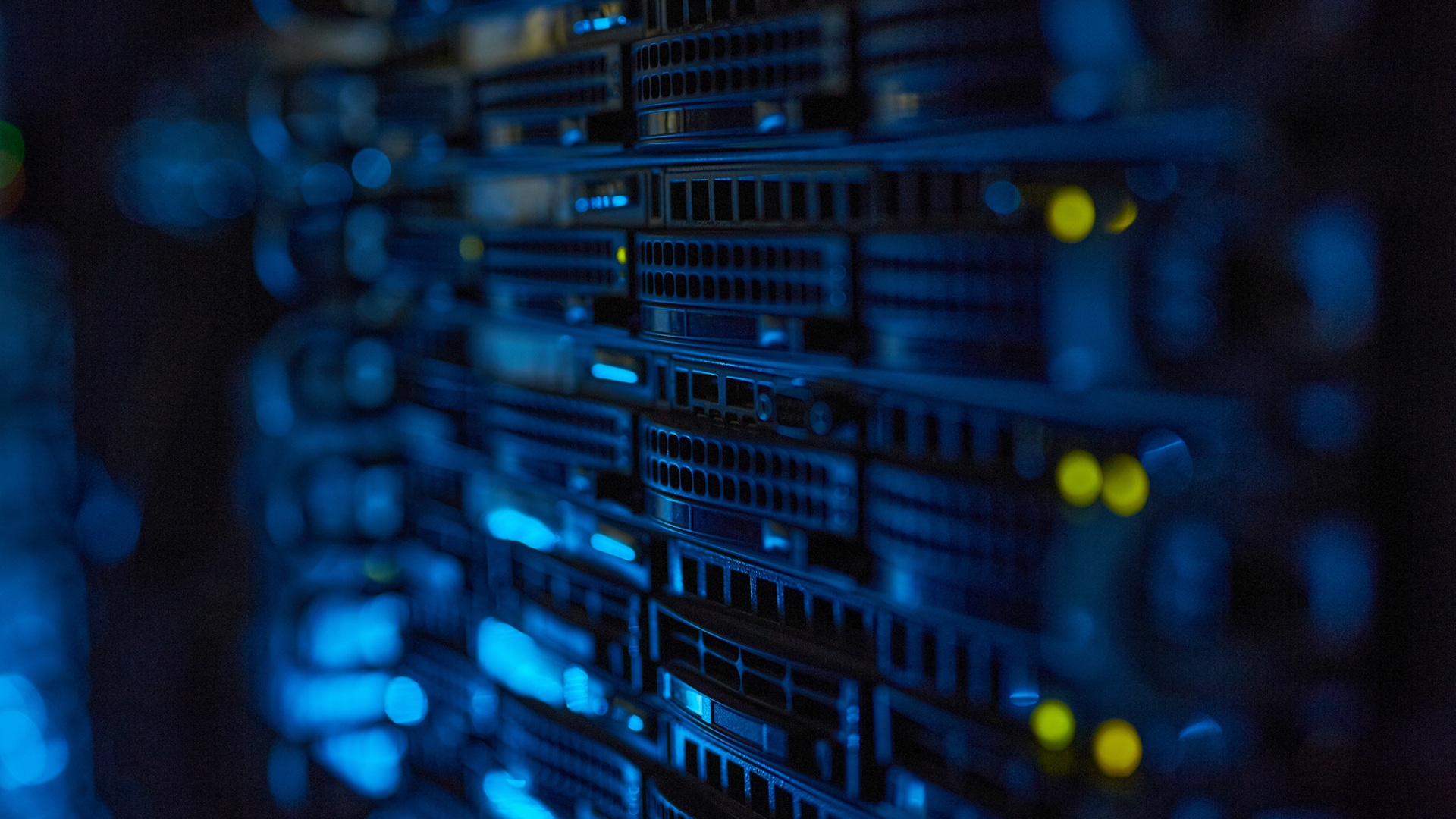
Crain’s Detroit Business Op-ed: Michigan should welcome data centers — but on Michigan’s terms

by | May 14, 2026

Summary

Michigan cannot afford to sit out the AI and advanced computing economy — data centers are becoming essential infrastructure for manufacturing, mobility, defense and global competitiveness.

Michigan has a choice to make. We can look at the rise of artificial intelligence, cloud computing and data centers as something happening to us, or we can decide Michigan will help shape what comes next.

-Automation Alley CEO Tom Kelly in Crain’s Detroit Business

Read the op-ed in full here.

Crain's Detroit Business

Crain's Detroit Business is one of the premiere business journals in the Metro Detroit area.

More

How Automotive OEMs Reuse HIL Test Artifacts in SIL

Automotive manufacturers have invested heavily in hardware-in-the-loop (HIL) environments and built extensive libraries of plant models, restbus configurations, and test cases. However, when validation moves to software-in-the-loop (SIL) environments, these artifacts...

Software-Defined Systems: Not Just for Big Players

One tool for a single task. For most of history, that’s the way it’s been. A hammer for driving nails, a saw for cutting wood. Even in the digital age, many tools have been designed for just one purpose: a keyboard for text input, an MP3 player for listening to music,...

Related

How Automotive OEMs Reuse HIL Test Artifacts in SIL

How Automotive OEMs Reuse HIL Test Artifacts in SIL

dSPACE explains how automotive OEMs can reuse HIL validation artifacts—including plant models, network configurations, ECU artifacts, and test projects—in SIL environments to reduce duplicate engineering work, enable earlier testing, improve consistency, and scale automated validation.