
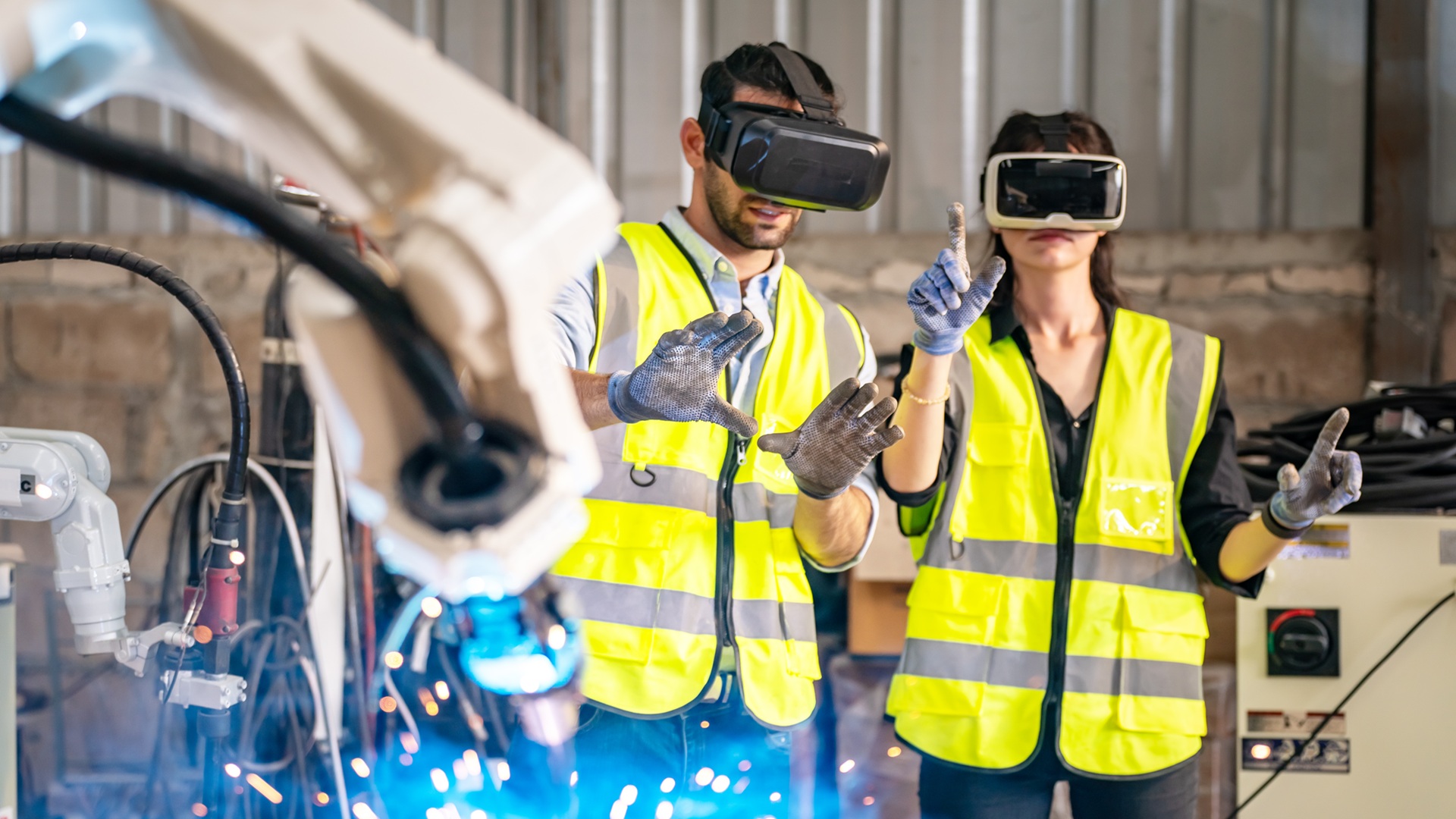
Future factory manufacturing jobs will look very different by 2035 than they do today.
While factories will still need skilled workers, the jobs themselves will continue to evolve. Artificial intelligence, automation, connected systems, and advanced robotics are already changing how products move from concept to customer.
As a result, employers will need workers with technical expertise, adaptability, and strong problem-solving skills. Companies that prepare now will have a significant advantage in attracting and retaining the talent needed to compete.
According to the World Economic Forum, technological change will reshape millions of jobs across industries over the next decade. Meanwhile, manufacturers must balance automation investments with workforce development strategies that prepare employees for the future.
Why Manufacturing Careers Are Evolving
Manufacturing has always evolved alongside technology. However, the pace of change continues to accelerate.
Today, factories use automation, sensors, data analytics, and machine learning to improve efficiency. By 2035, many of these technologies will become standard operating tools rather than competitive advantages.
Furthermore, manufacturers will face increasing pressure to improve productivity, reduce downtime, and maintain quality standards.
As a result, future manufacturing workforce needs will focus less on repetitive tasks and more on managing, optimizing, and improving advanced manufacturing systems.
Read this article in full here.
As a dedicated partner for employers, our extensive talent pool and defense industry and mobility recruiters provide unmatched staffing solutions to agencies and organizations across diverse sectors. Our goal is to connect talented professionals with employers looking to hire the best in the industry. From contract-based work to full-time roles, our services extend across various branches and sectors. Our defense industry talent scouts are leaders in identifying talent.