Manufacturers are operating in an environment of labor shortages, rising costs and economic uncertainty. They are also dealing with the rapid emergence of AI and automation. Businesses must invest in technology that improves efficiency to remain competitive. But questions about which investments are worth the cost can be overwhelming.
Keep reading to learn which technology investments manufacturers should prioritize to overcome current business challenges and make long-term gains in improving operational efficiency.
The efficiency challenges facing manufacturers today
The manufacturing industry has made significant progress since the disruptions of the COVID era. But post-pandemic, significant challenges still remain.
Labor shortages remain a long-term issue
Hiring qualified production employees remains difficult across much of the manufacturing sector. Even when positions can be filled, turnover remains high, making it difficult to maintain consistent production schedules. Insufficient staffing can prevent equipment from operating at the levels required to meet customer demand.
Automation has become more expensive
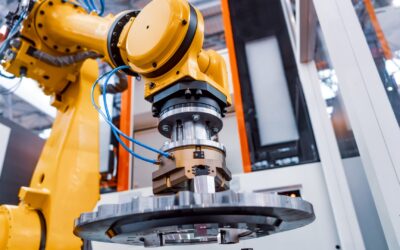
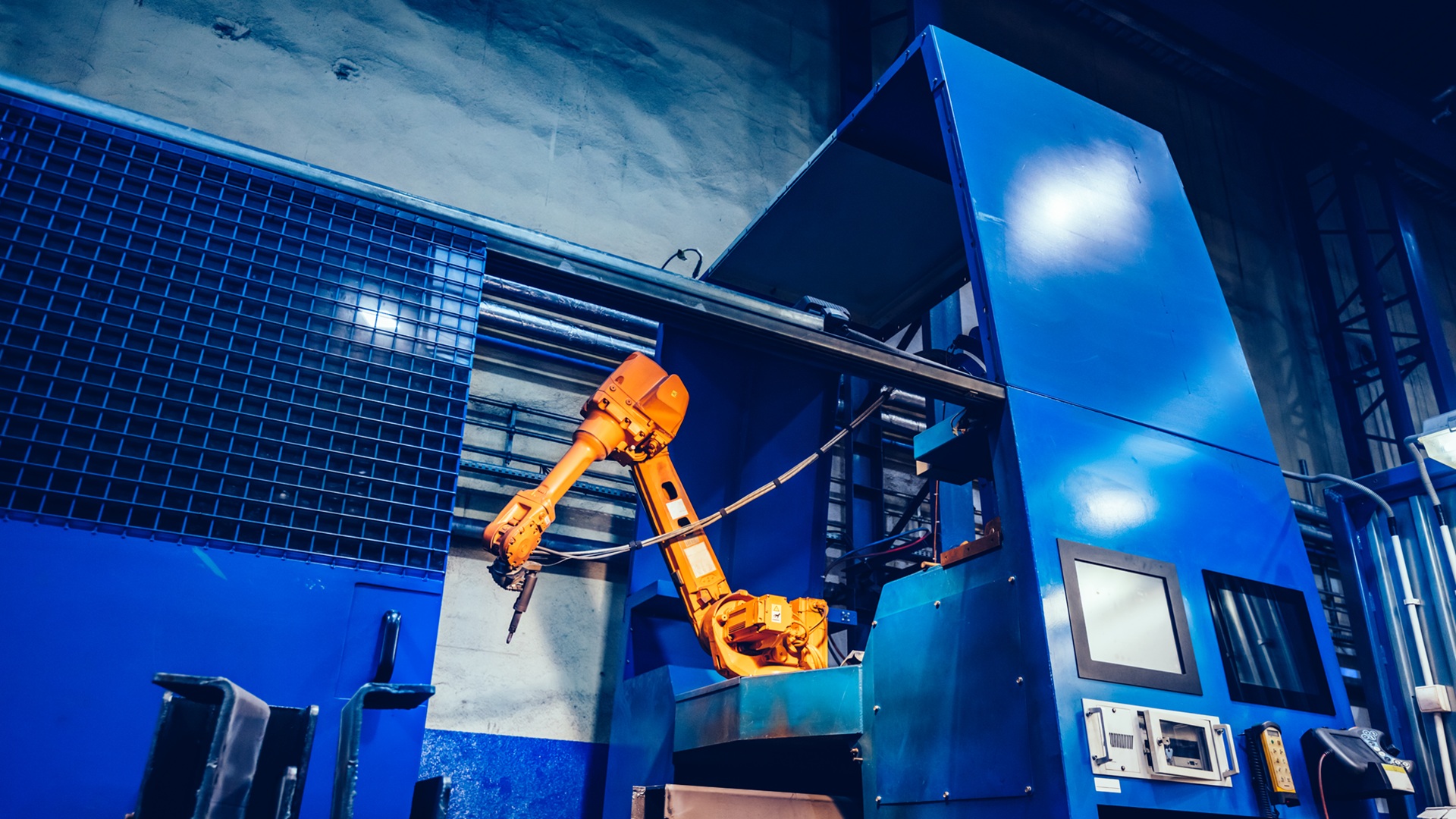
Automated solutions are seen as an answer to labor shortages. But automation projects require greater upfront investment than they did several years ago. Inflation, lingering supply chain issues and tariffs on imported equipment and parts have increased the cost of robotics, machinery and automation technologies.
AI decision paralysis
AI is top of mind for many people in the manufacturing industry right now. Many organizations hesitate to invest in proven automation technologies because they’re waiting to see what new AI tools emerge on the market. While AI will continue to transform manufacturing, delaying practical investments can leave companies operating with outdated processes while competitors continue to improve efficiency.
Read this article in full here.
Wipfli brings the curiosity needed to uncover what’s been overlooked. Our ingenuity helps create unexpected results. Our team of more than 3,200 associates works together to bring integrated solutions to turn data into insights, to optimize workflows, to increase margins and to transform through digital innovation.