Register for AME 2026

July 29-30 in Grand Rapids, MI 

Automation Alley Trade Missions

Your Gateway to New, High-Growth Markets.

Join Project DIAMOnD Academy

Register for the Integr8 2026 Series

Everything You Need to Know about DLP 3D Printing

by | Apr 3, 2025

Summary

​Digital Light Processing (DLP) 3D printing uses a digital projector to cure photopolymer resins, producing high-accuracy parts with smooth surfaces, making it an excellent alternative to injection molding for low-volume manufacturing.

DLP® is a light projection technology. DLP 3D printing is used to create high accuracy parts with smooth surfaces, utilizing high-performance materials which add functional properties to the produced parts.  

This makes the technology highly suitable for production parts – a good alternative to injection molding for low volume manufacturing.

An Introduction to Digital Light Processing (DLP)

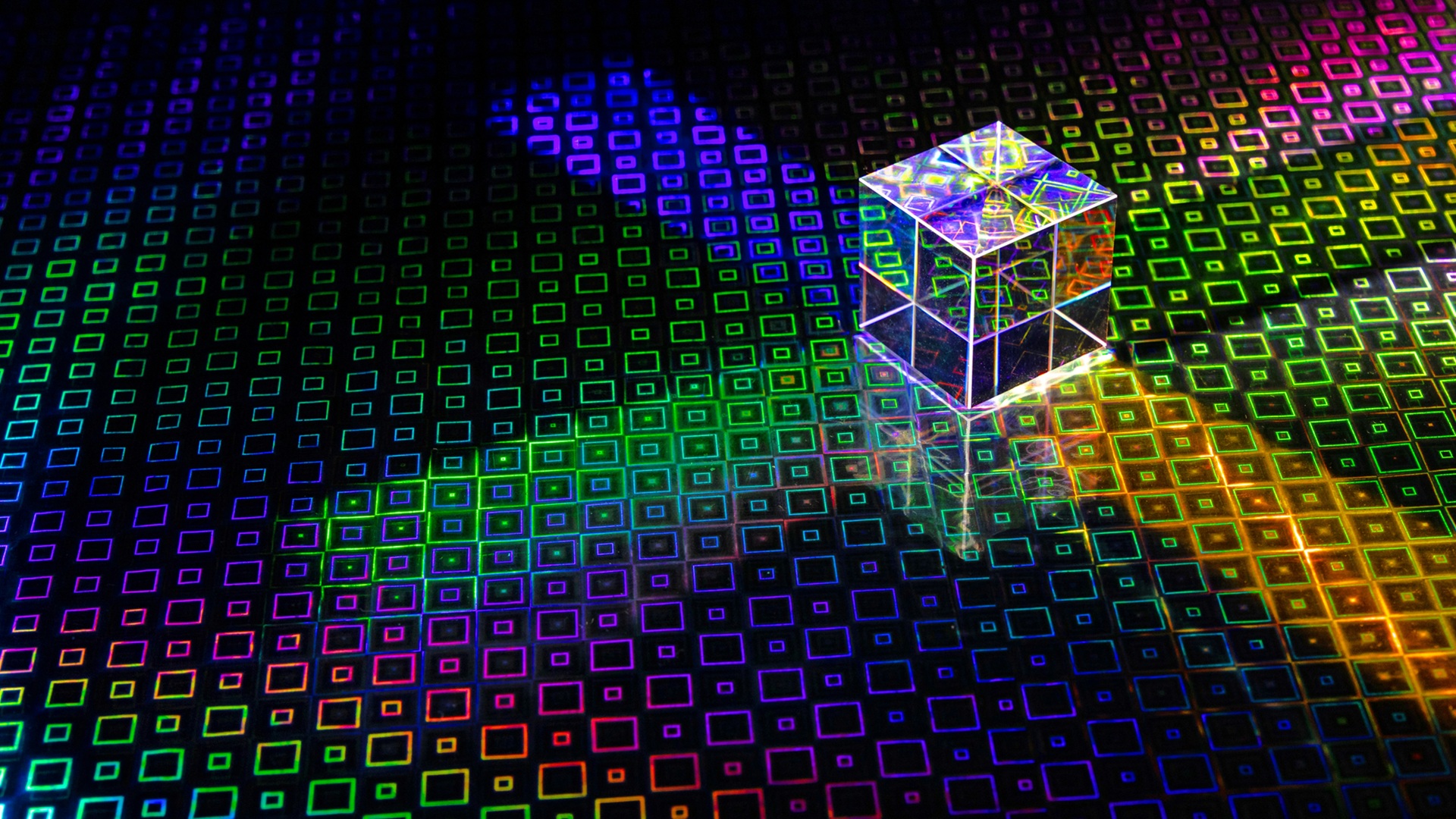
DLP is a digital method of projecting light, meaning it controls individual pixels on the screen: color, brightness, and contrast. At its core, DLP uses a digital micromirror device (DMD) to reflect light to the desired pixels.  

First developed by Texas Instruments in 1987, a DMD is comprised of thousands of microscopic mirrors. Ten years later, Digital Projection used this technology to create the first DLP projector.  

The projector can control each mirror individually to reflect light either towards the screen or away (to a beam dump). Furthermore, the mirrors can be rapidly rotated “on” and “off” to reduce the effective brightness of the color (or grayscale).

Read this article in full here.

Stratasys

Stratasys, Ltd. is an American-Israeli manufacturer of 3D printers and 3D production systems for office-based rapid prototyping and direct digital manufacturing solutions.‍

More

Related

ASA Filament vs. ABS: Which Should You Use for Outdoor and UV-Exposed Parts?

ASA Filament vs. ABS: Which Should You Use for Outdoor and UV-Exposed Parts?

ABS is the default for functional 3D printing, but it has one fatal flaw outdoors: UV exposure breaks it down. ASA filament was engineered to fix that. It matches ABS on mechanical properties, prints easier in real-world setups, and holds up in sunlight where ABS does not. Here’s the chemistry, the spec comparison, and when each material is the right pick for your application.