Apply for MAST-P Support

Michigan manufacturers: Access capital and support services through the Michigan Auto Supplier Transition Program (MASTP) and position your business for the future of mobility.

The Battery Show North America

OCTOBER 12-15, 2026, Huntington Place, Detroit, MI

Automation Alley Trade Missions

Your Gateway to New, High-Growth Markets.

Join Project DIAMOnD Academy

Register for the Integr8 2026 Series

ESD-Safe 3D Printing Materials Explained: How ESD Filaments Protect Sensitive Electronics

by | May 5, 2026

Summary

ESD-safe 3D printing materials incorporate conductive additives to dissipate static electricity, protecting sensitive electronic components during manufacturing and handling.

Static electricity can quietly destroy sensitive electronics, which is why ESD-safe 3D printing materials play a critical role in modern manufacturing. Understanding how these materials function helps explain their growing importance across industries that rely on reliable electronic performance.

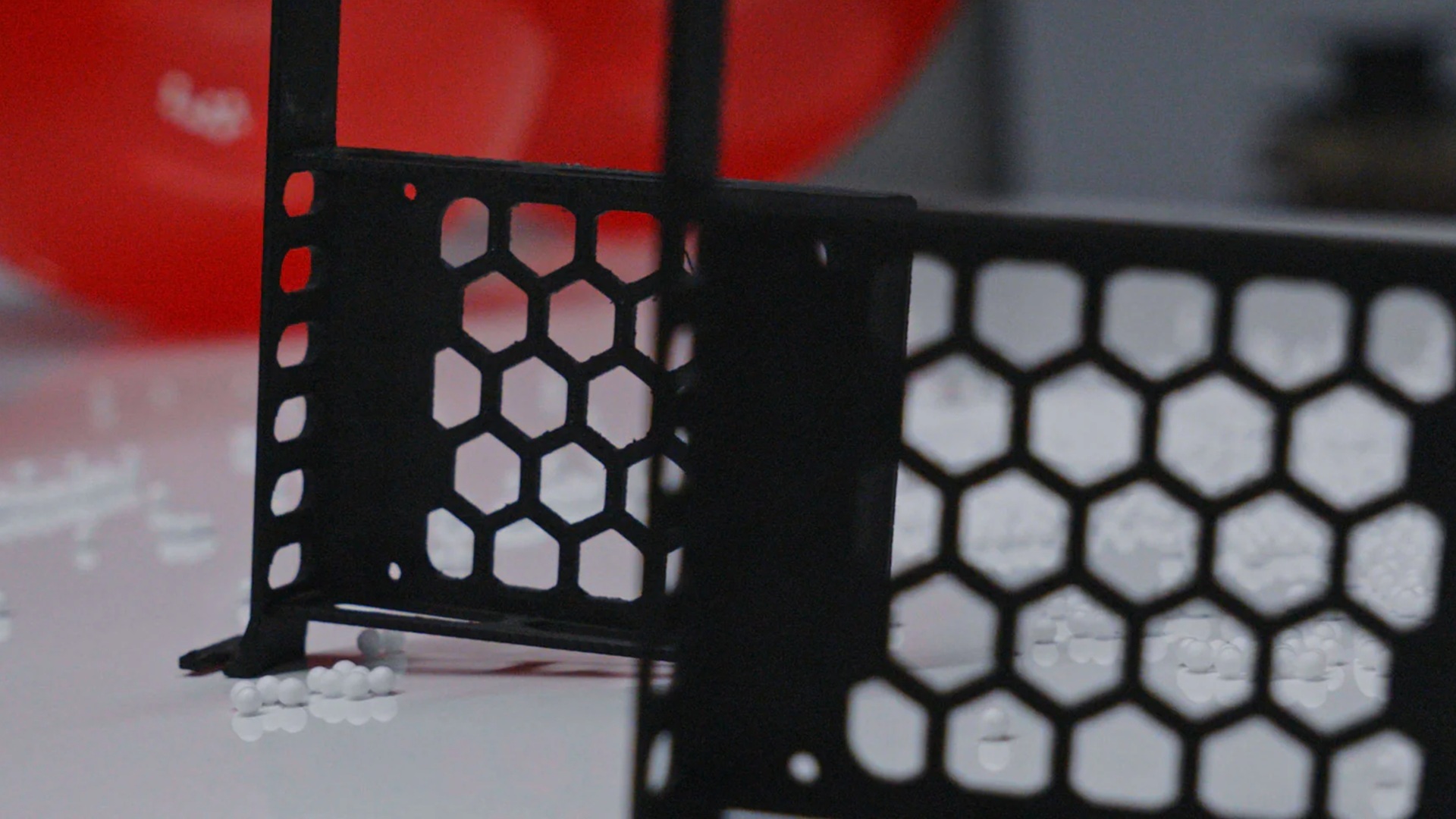
ESD stands for electrostatic dissipative. In contrast to traditional insulating plastics, ESD-safe filaments are engineered to prevent static charge from accumulating on the surface of a printed part. Instead of trapping that charge, they dissipate it in a controlled manner, reducing the risk of sudden electrostatic discharge that can damage delicate components during assembly or operation.

At 3DXTECH, this performance is achieved through the use of advanced carbon nanotube additives combined with precision compounding processes. The result is a range of ESD 3D printing materials that balance mechanical strength, printability, and consistent static dissipation, making them suitable for demanding industrial applications.

Read this article in full here.

3DXTech

We manufacture all of our printers and filaments in our 68,000 ft² manufacturing facility (located in Grand Rapids, Michigan) using state-of-the-art equipment and processes. Our goal continues to be to make the most innovative filaments on the market – targeting difficult end-use applications where functionality is king.

More

Additive Manufacturing in the Automotive Industry

What is Automotive Additive Manufacturing? Automotive additive manufacturing (AM) is the process of creating vehicle components by layering materials based on digital 3D models. It allows for rapid prototyping, the production of complex geometries, and the creation of...

Related

Additive Manufacturing in the Automotive Industry

Additive Manufacturing in the Automotive Industry

Automotive manufacturers are using additive manufacturing to accelerate product development, reduce tooling lead times, support low-volume production, and produce replacement parts on demand. This guide explores the key applications, benefits, challenges, materials, and technologies shaping automotive 3D printing, along with real-world examples of how manufacturers are putting additive manufacturing into practice.