Artificial intelligence did not arrive in the manufacturing world exponentially. It entered gradually, first as a drafting aid, then as code that sped up analysis, then as systems capable of seeing patterns humans could not. Today, AI works alongside people across the enterprise, quietly reshaping how decisions are made and how work moves.
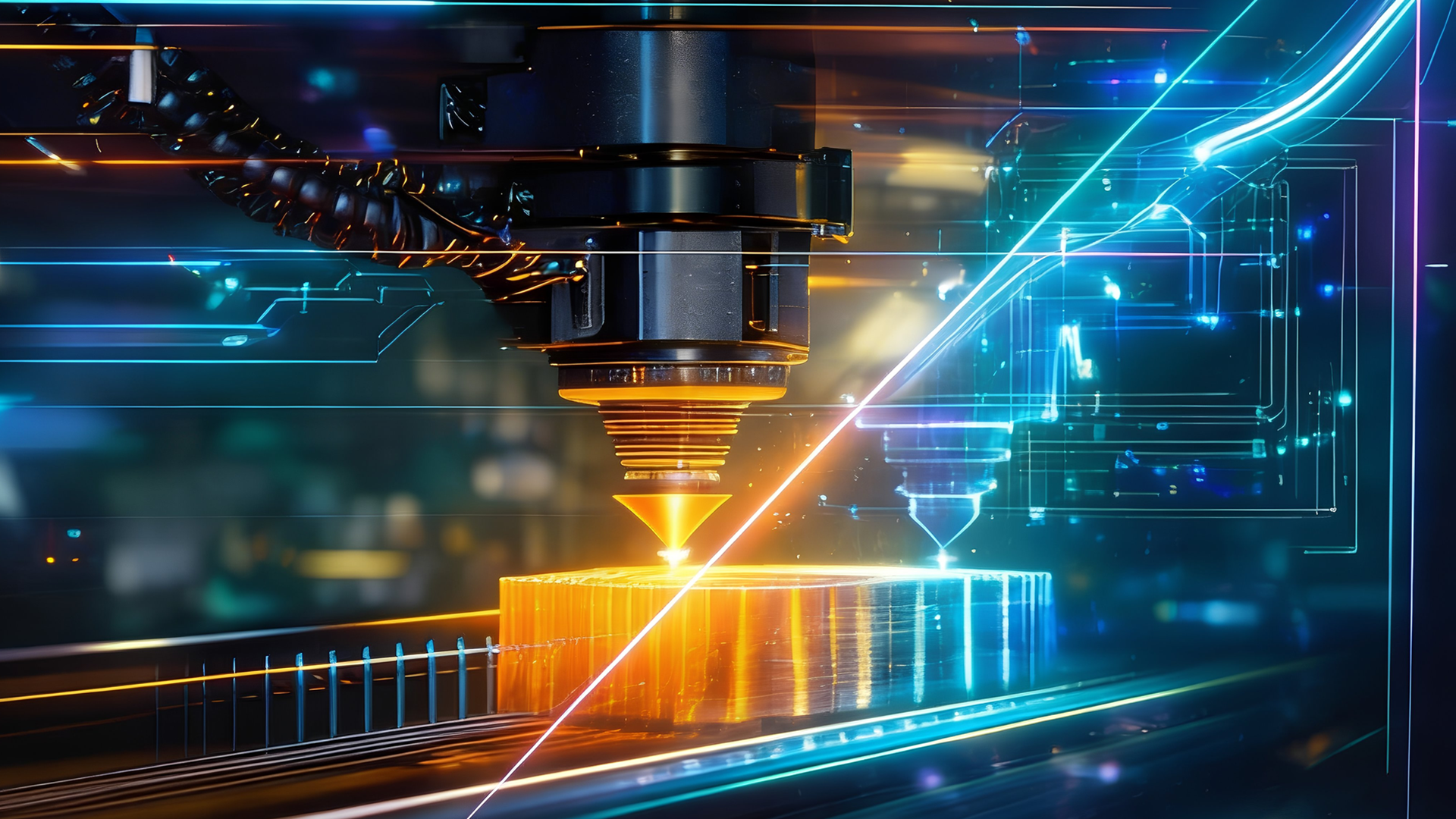
In manufacturing, its influence runs deeper than automation. It reaches the heart of design and production. Instead of beginning with fixed shapes and rigid constraints, engineers increasingly start with intent. They define performance, strength, durability, and cost. AI explores the options. Additive manufacturing turns those options into physical reality.
On factory floors around the world, this partnership is already visible. Parts use less material while performing better. Complex geometries are no longer an exception. Production is less tethered to long lead times, specialized tooling, or distant suppliers. This convergence, we describe as vibe manufacturing, points toward systems that are more adaptive, more localized, and less exposed to global disruption.
Progress, however, is not automatic. As additive manufacturing becomes more data-driven, long-standing challenges surface. Many organizations still rely on fragmented workflows and informal process knowledge. Repeatability can be elusive when machines, materials, and operators vary. Cultural resistance often slows standardization, even as the tools themselves mature.
At the same time, AI is expanding what process insight looks like. Additive manufacturing once depended on isolated sensors and point measurements. Today, AI draws meaning from images, patterns, and layered data, revealing how a build behaves as it unfolds. This shift opens new paths toward consistency, quality, and scale, but it also raises questions about how knowledge is captured, shared, and trusted.
Integr8 2026 reflects the industry at this moment of transition. This playbook brings together perspectives from manufacturers, researchers, educators, and policymakers who are navigating these realities in real time. They are asking practical questions. Where should organizations begin if they want to scale additive responsibly? Which applications make sense first? How can digital process knowledge become repeatable instead of bespoke?
The implications reach beyond individual factories. The successful integration of AI and additive manufacturing affects supply chain resilience, workforce evolution, and the future of advanced manufacturing in the United States. It will influence who can compete, how quickly ideas move to production, and where manufacturing takes place.
This playbook does not present a finished blueprint. It captures an industry in motion, testing assumptions and learning as it goes. Integr8 2026 invites you into that conversation.
Read the playbook, “Vibe Manufacturing: Where AI Meets Additive,” in full here.