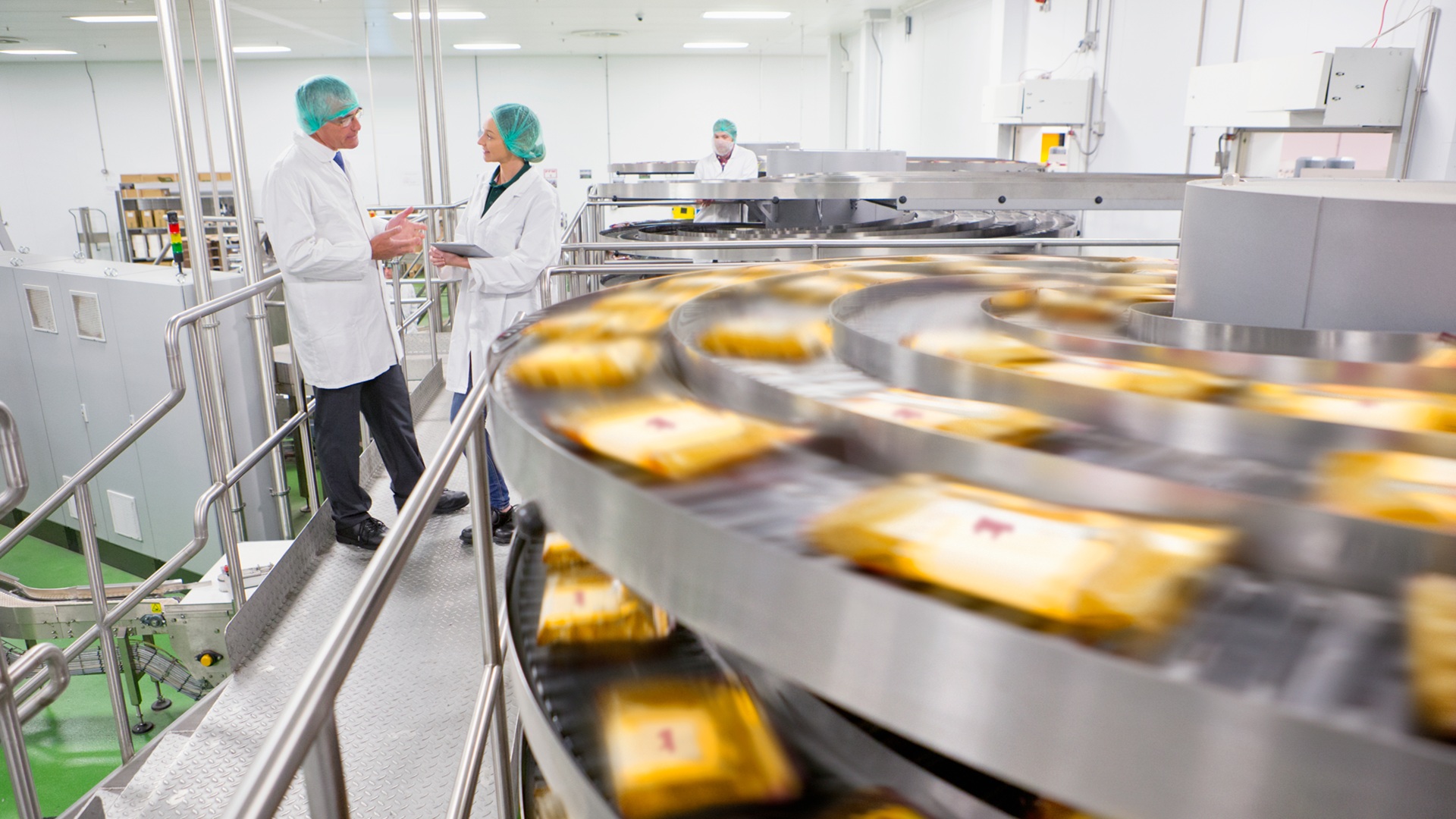
Food safety is tightly regulated, and for good reason. If a component touches food or sits close enough to pose a contamination risk, it must be carefully designed, manufactured, cleaned, and validated.
As 3D printing becomes more common in industrial settings, food manufacturers are asking a practical question: Can it be used safely in food production? The answer is yes – but only when it’s treated like any other regulated manufacturing process, with clear documentation, process control, and risk management.
This guide explains what food safe and food grade really mean in 3D printing, where additive manufacturing is most often used in food production today, and how food-contact risk is managed through validated workflows and not just your choice of material.
Read this article in full here.