Scientists at Fraunhofer IGD have devised a purely geometric and algorithmic method for the elimination of stair-step artifacts in multi-material 3D printing. To avoid quantization errors, the surface of the object is modulated with a high-frequency signal. This results in geometrically accurate and color-true surfaces. The research team has set down their findings in a paper – Shape Dithering for 3D Printing – which will be published to coincide with SIGGRAPH.
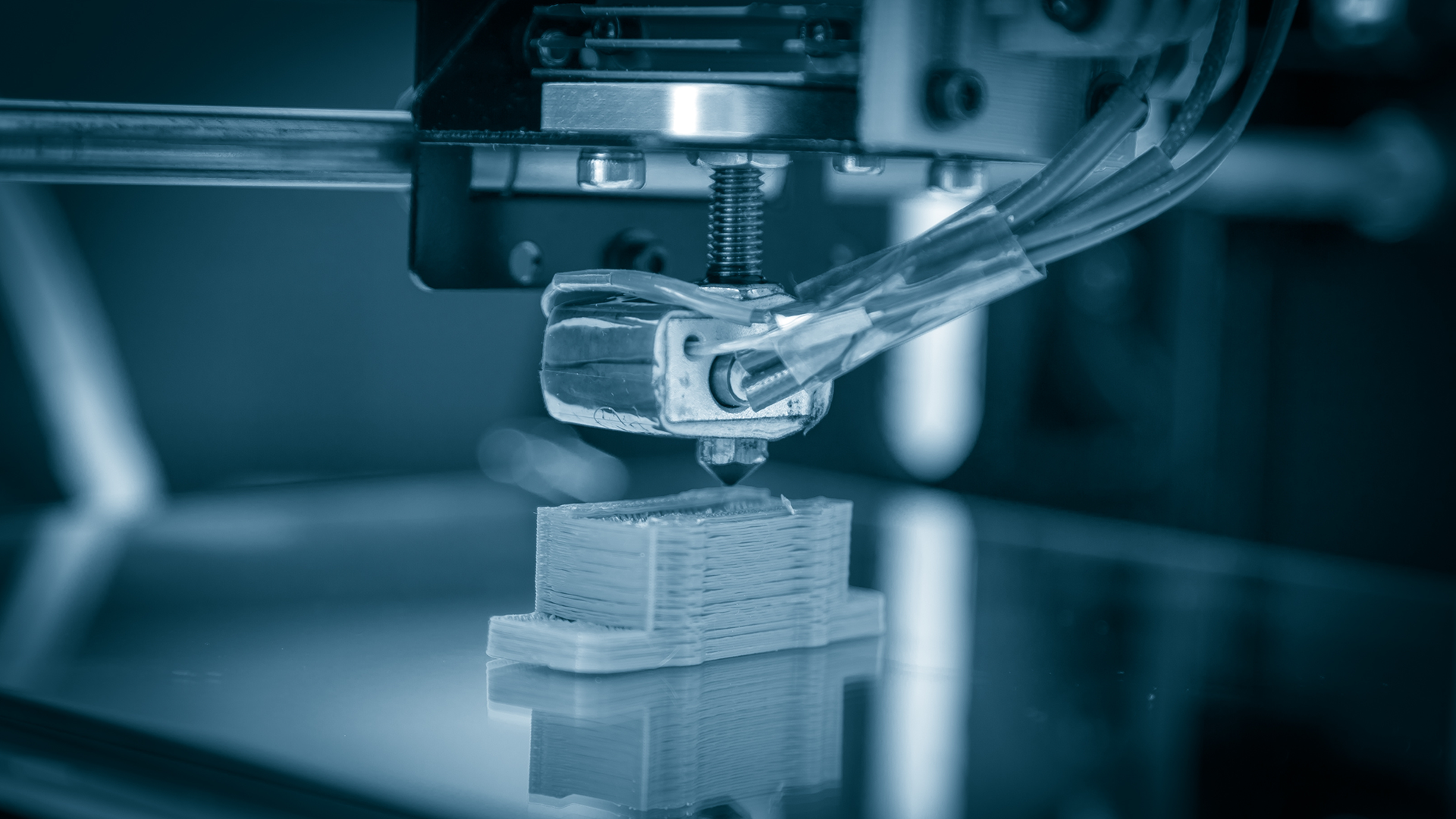
Stair-step artifacts are unavoidable in some conventional 3D printing processes. They are visually disturbing and can even be structurally detrimental to the print. To generate more accurate surfaces, researchers at the Fraunhofer Institute for Computer Graphics Research IGD have developed a new process for polyjet printers. It minimizes quantization errors so that stair-step artifacts are no longer noticeable in actual printing and are at a level far below the physical effects of the printing process. This results in objects with a smoother and more uniform surface.
Design World serves readers in the mechanical and electrical engineering design space. We provide news, product developments, application stories, technical how-to articles, and analysis of engineering trends — particularly in the semiconductor, off-highway, medical, aerospace, machine tool, and packaging industries. In addition to a 40,000 print circulation audience, we have more than 100,000 online readers each month.