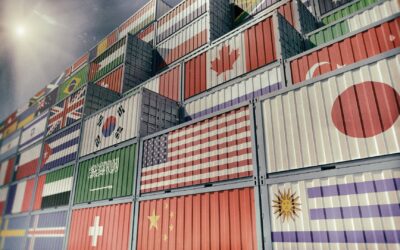

Shifting trade policies, geopolitical tensions, supply chain disruptions, and tariffs are causing businesses to reconsider their established sourcing and production methods. To stay competitive, control costs, maintain delivery standards, and ensure customer loyalty in the face of ongoing trade system changes, flexibility and adaptability are essential. The following are ten recommendations to remain consistent during global trade turbulence
1. Build sourcing decisions around total landed cost, not unit price.
When evaluating sourcing strategies, manufacturers need to consider all costs, such as tariffs, transportation, inventory, and risk. Unit-level cost management becomes more expensive when delays and duties are added to the bottom line. This method enables improved sourcing, positioning, and strategies aligned with actual circumstances.
2. Prioritize dual sourcing for critical components. Dependence on a single supplier or region heightens vulnerability in turbulent times. Short-term cost increases from sourcing diversification are outweighed by long-term stability and improved future bargaining strength.
3. Map supply chains beyond tier-one suppliers to identify hidden risks. Many organizations lack visibility into tier-two and tier-three suppliers, where significant risks often reside. Supply chain mapping identifies dependencies, geographic concentration, and exposure to trade restrictions, allowing for more informed responses to disruptions, potential shortages, and geopolitical tensions.
4. Use supplier scouting to strengthen domestic and regional sourcing options.
To prevent manufacturing disruptions, companies need to proactively find other suppliers. By developing regional partnerships, the need for distant suppliers is reduced, leading to quicker responses to unexpected problems. The NIST Manufacturing Extension Partnership helps companies locate qualified domestic suppliers.
5. Conduct regular scenario planning. Because government leadership and trade policies are always in flux, creating operational risk scenarios is vital for corporate strategy. Planning enables manufacturers to forecast the financial and operational consequences of tariffs, export controls, and regional conflicts. These exercises help identify vulnerabilities before they affect production.
Read these recommendations in full as part of our Integr8 Series here.