
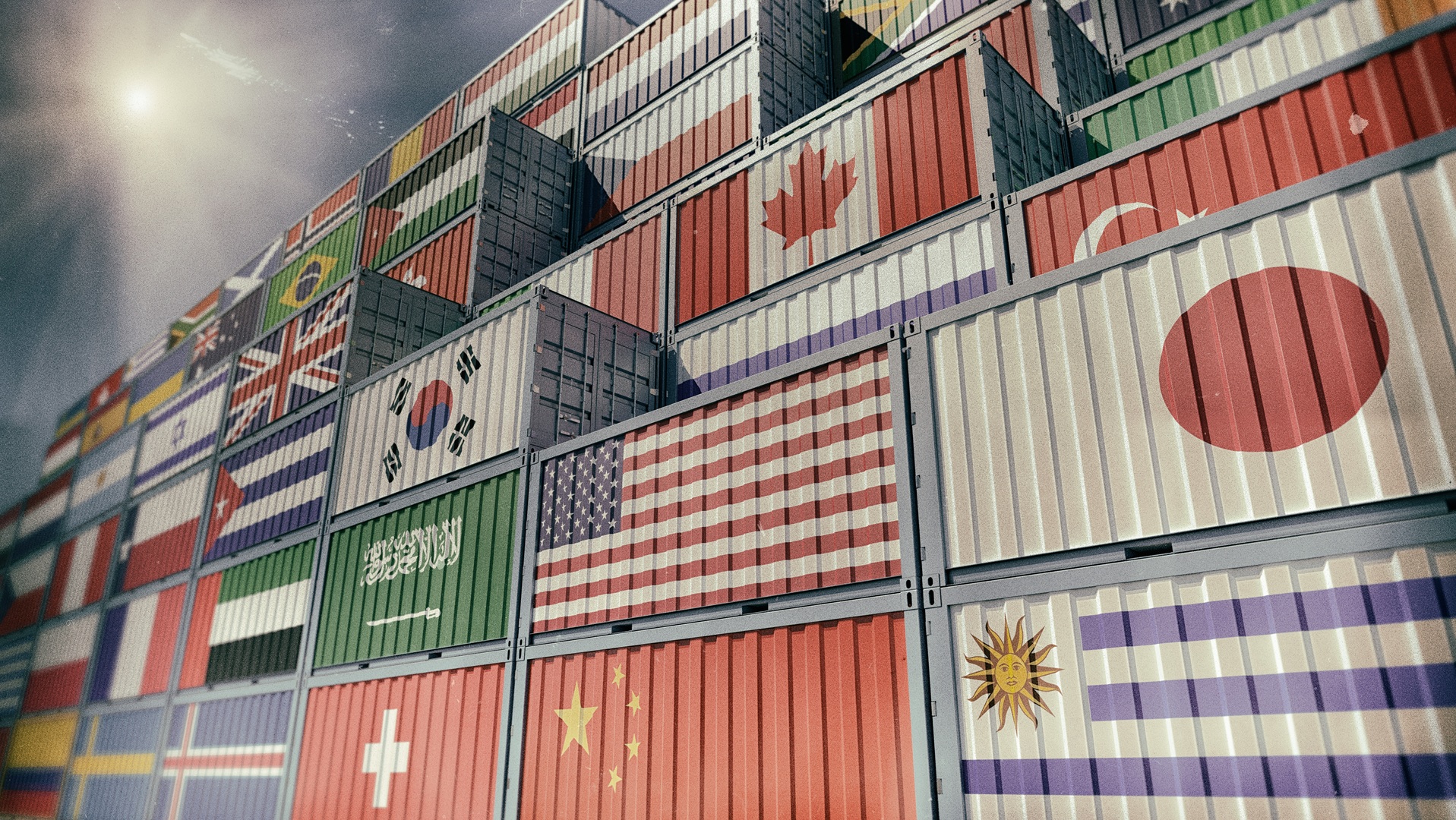
Tariffs usually enter the leadership conversation as a cost problem. Finance models the exposure. Procurement reviews supplier options. Commercial teams evaluate customer pricing. The business decides whether it can absorb the cost, pass it through, shift production, reclassify goods, or make a sourcing change.
Those are necessary exercises. They are not enough.
Tariffs have a way of revealing whether an organization can execute under pressure. A cost model can show what should happen on paper. It does not show whether the data is clean, the decision rights are clear, the supplier base can move, the billing system can keep up, or the customer commitments can be managed without creating new risk.
That is where tariff planning often becomes an operational test. The issue is not only what the tariff does to margin. The larger question is whether the operating system of the business can translate a decision into disciplined action across functions.
Why Cost Models Can Create False Confidence
Cost models are useful, but they can create false confidence when leaders treat them as the whole answer. A model may assume supplier stability, steady customer demand, available capacity, and clean execution across systems. Real operations are rarely that tidy.
Tariffs often expose the gaps that sit underneath those assumptions. They reveal inconsistent data, manual workarounds, unclear ownership, weak escalation paths, and systems that were not designed for fast commercial or supply chain changes.
That does not mean the model is wrong. It means the model is only one part of readiness. Leaders should be asking a second set of questions: Who owns the decision? Who validates the data? Who communicates with customers? Who updates contracts, billing, compliance documentation, and supplier records? What breaks if the answer changes twice in one week?
Without those questions, the organization may appear ready in a spreadsheet while still being fragile in execution.
The Operational Stress Points Tariffs Reveal
Tariff changes tend to put pressure on the parts of the business that are already carrying hidden strain. Supplier concentration becomes more visible. Inventory policies get tested. Compliance documentation matters more. Cross-functional coordination either holds or starts to show cracks.
A recent guest on my MetaPod podcast (https://metaexperts.com/metapod/) is Karen King, an expert in Global Trade issues. She is a licensed customs broker and I call her first if I want to know what is really going on regarding changes to trade policies.
She points out that the tariff changes implemented since the beginning of the new administration in 2025 have compelled organizations to strategize and implement operational changes very quickly, often with very little notice. She also notes that the changes have continued to come one after another, which makes the work harder. Many of these shifts are not straightforward, so businesses have to understand what changed while also figuring out how to execute in the shortest timeframe possible.
That combination creates pressure. Teams may need to absorb cost, pull inventory forward, redesign a product, shift sourcing, or qualify a new supplier before they have complete information. If the organization is used to solving problems through informal coordination, the response can slow down quickly.
Production flexibility can also become a constraint. A sourcing change may sound simple until the business has to deal with new requirements, training needs, documentation, quality approvals, equipment capacity, and backup suppliers that may not be ready to scale. Tariffs do not only expose sourcing risk. They often expose the limits of operational flexibility.
Why Organizations Struggle to Respond Quickly
Speed breaks down when decision ownership is unclear. Procurement may wait for finance. Finance may wait for leadership. Operations may wait for commercial direction. Commercial teams may wait for customer commitments to be clarified. By the time everyone has waited on everyone else, a decision that should have taken days can stretch into weeks.
Karen King also highlights the unpredictability of tariff-based adjustments. Policy changes can happen overnight or within a few days, and that creates real difficulty for supply chain and operations teams, especially when the response involves shifting supplier countries. Changing supplier countries is not a quick move. It can take years because the business has to identify replacements, evaluate pricing, assess supplier capabilities, and manage compliance requirements.
Temporary workarounds can help in the moment, but they can also become the next bottleneck. Alternate approval paths, one-off supplier arrangements, manual spreadsheets, and side-channel communication may get the business through the first disruption. If they stay in place too long, they reduce visibility and make the operating model harder to manage.
Speed requires structure. Leaders should define ownership, decision rights, escalation paths, and the discipline for turning emergency responses into sustainable practices. Otherwise, the organization may confuse motion with control.
What Tariff-Ready Operations Tend to Have in Common
Tariff-ready organizations are not perfect. They are prepared to move with clarity when the facts are incomplete.
Karen King describes better-prepared businesses as nimble in how they stay on top of tariff changes. They also prioritize communication across teams and stakeholders because the impact can vary depending on each team’s responsibilities, expectations, and exposure.
Clear ownership is another marker of readiness. That does not mean everyone knows the answer immediately. It means people know who is responsible for compliance, customer impact, cost, continuity, and execution. Decisions do not get lost between functions simply because the issue crosses boundaries.
Karen also notes that tariff-ready organizations often form “Tiger Teams”, a core group of experts who can quickly model and implement changes. These teams usually include people from multiple departments and are responsible for understanding how tariff shifts affect the organization across levels.
The practical value of a Tiger Team is not the label. It is the operating discipline behind it. The business creates a place where the right people can evaluate tradeoffs, make timely recommendations, and keep execution moving while the broader organization continues to run.
Strengthening Execution Without a Full Structural Overhaul
A tariff response does not always require a reorganization. In many cases, the better move is to strengthen execution around the current structure.
Karen King states that businesses do not need to reorganize unless there was already a major structural issue from the beginning. She also emphasizes that organizations can strengthen execution without a full restructuring by making sure everyone has a seat at the table and can contribute to decision-making, from C-suite executives to trade teams.
That is an important distinction. Leaders should not confuse operational fragility with an automatic need to redraw the org chart. Sometimes the issue is simpler and more practical: the right people are not in the room soon enough, the decision path is not clear, or the business has not defined how fast-moving tariff decisions should be governed.
Karen also points out that businesses have to keep adapting to tariff disruptions because these changes may not slow down any time soon. That is one reason some organizations bring in a fractional COO to help the business plan ahead and determine how to react to tariff-related adjustments.
A fractional COO can help connect the moving parts. The role is not to create more bureaucracy. It is to improve execution speed, clarify ownership, align functions, and reduce the time teams spend waiting for approvals or debating unresolved tradeoffs. During periods of uncertainty or elevated operational risk, interim leadership can help the business stabilize without forcing a full structural overhaul.
Final Thoughts
Tariff changes do not usually create operational weakness. They expose weakness that was already there.
Under normal conditions, teams often compensate for fragile systems through informal coordination, personal relationships, spreadsheets, and short-term fixes. That may keep the business moving, but it can hide the real execution risk. When tariffs change quickly, the weak points become harder to ignore.
The lesson is not that every company needs a bigger tariff process. The lesson is that tariff readiness depends on the strength of the execution system underneath the policy response.
Leaders should use tariff disruption as a mirror. Where does the business respond with clarity? Where does it slow down? Where does ownership get fuzzy? Where do systems or supplier assumptions fail under pressure?
The organizations that learn from those answers will be better prepared for the next disruption, whether it comes from tariffs, supply constraints, customer pressure, regulatory shifts, or another external shock. Readiness is not only about predicting the next change. It is about building the operating discipline to respond when the change arrives.
Ron Crabtree, CPIM, CIRM, CSCP, MLSSBB is a co-author or author of 5 books on operational excellence, including Driving Operational Excellence, and is published in multiple business publications including authoring APICS Magazine’s Lean Culture department for 13 years running. He has personally mentored thousands in getting great results in business generating
untold millions in benefits while improving everyone’s work life at the same time