It’s a familiar scene: a product is approaching a key development milestone but projected cost is above target. Teams begin looking for ways to close the gap through supplier negotiations, RFQs, sourcing events, component substitutions, or design changes.
These efforts can still create meaningful savings. The issue is that now many of the decisions shaping the product’s underlying cost structure have already been made, narrowing the options available to address the cost overrun without affecting performance, quality, timelines, supply, or other product requirements.
That is the difference between cost reduction and design-to-cost. Cost reduction asks where cost can be removed from the product you’ve designed. Design-to-cost asks how to design a product that achieves the right cost and value in the first place.
Product Cost Is Created One Decision at a Time
Establishing target cost is a typical starting point in product development. It identifies where a product needs to land, but it doesn’t determine how the product gets there. As development progresses, decisions around materials, specifications, components, manufacturing processes, and suppliers each influence the product’s eventual cost and the requirements it can meet.
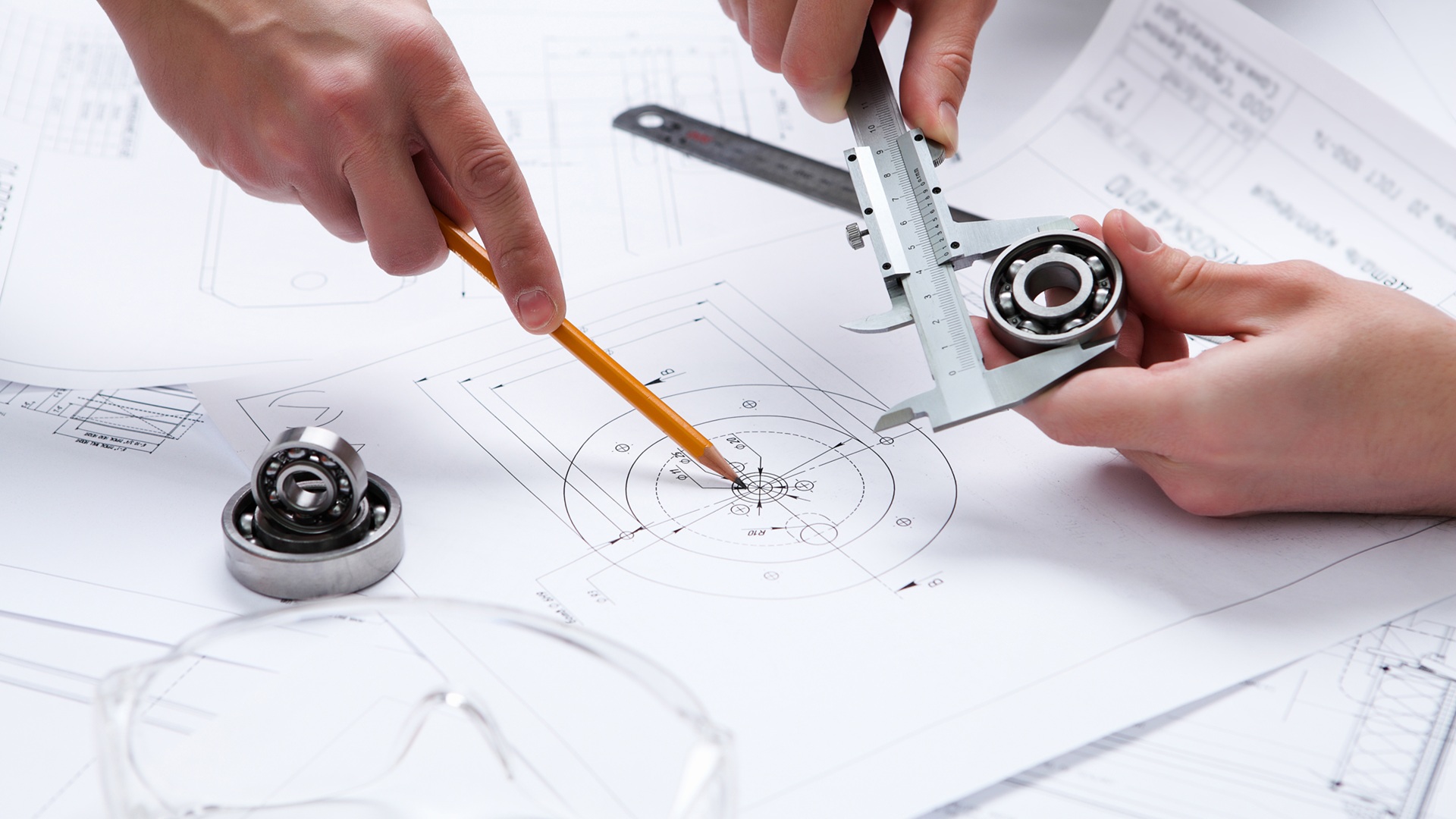
Consider a simple electric motor. Choosing aluminum instead of cast iron can affect material cost, weight, and manufacturing requirements. Adjusting dimensions or tolerances can affect both performance and manufacturing cost. Selecting die casting instead of machining can shift manufacturing expenses further, while standardized bearings or connectors create another opportunity to influence the numbers. The product’s final cost reflects the cumulative impact of these choices, helping explain both what it will cost and why.
That is why design-to-cost does not make cost the priority of every design decision. It makes cost an input to every relevant decision. By understanding what is driving cost at every stage of the development process, teams can make more informed tradeoffs between target cost and performance, quality, supply, and other requirements the product needs to deliver.
Read this article in full here.
Samsung SDS provides cloud and digital logistics services.
We build optimized cloud environment with Samsung Cloud Platform specialized for businesses, provide all-in-one management service based on 39 years of expertise in each industry, and boost work efficiency and customer service with our SaaS solution proven successful in many use cases. Your only partner to present reasonable answer to complex challenge of digital transformation is Samsung SDS.