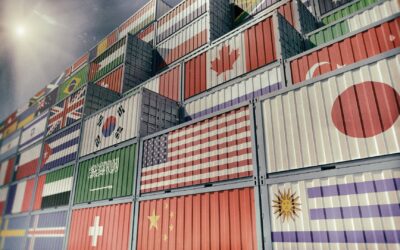
Trade has always been a defining force in manufacturing. Raw materials, components, finished goods, capital, talent and technology move through a global network of suppliers and customers that has grown increasingly interconnected over the last several decades. Yet today, that network is being reshaped by geopolitical tensions, shifting alliances, economic nationalism and a renewed focus on domestic industrial capacity.
The central question facing manufacturers is no longer whether global trade will change, but how organizations can adapt to an environment where disruption has become the norm rather than the exception.
In many ways, manufacturers find themselves navigating a new era of strategic complexity. Tariffs, trade agreements, export controls, supply chain security requirements and regional economic policies are influencing decisions that were once driven primarily by cost and efficiency. Business leaders must now balance competitiveness with resilience, evaluating not only where products can be sourced or sold most economically, but where they can be produced, transported and supported most reliably.
Within manufacturing, these challenges are already being felt. Companies are reassessing supplier networks, exploring nearshoring and reshoring opportunities, diversifying sourcing strategies and seeking greater visibility into their supply chains. At the same time, emerging technologies, automation and digital tools are creating new opportunities to offset costs, improve flexibility and strengthen operational performance.
So what does a resilient trade strategy look like in today’s environment? How should manufacturers respond to tariffs, geopolitical uncertainty and shifting global market dynamics? And what opportunities may emerge from these challenges?
These are not simple questions, nor are they easily answered. They sit at the core of this Integr8 session on trade, tariffs and global competitiveness. Here, industry leaders, policymakers, economists and manufacturers come together to examine the forces shaping international commerce and explore strategies for maintaining growth in an increasingly uncertain world.
From supply chain diversification and domestic sourcing strategies to international market expansion and industrial policy, this playbook reflects a broad spectrum of perspectives. It is a curated collection of insights from Automation Alley’s network of industry, academia and government partners, all working toward strengthening the competitiveness, resilience and long-term success of American manufacturing.
Automation Alley extends its gratitude to all who have contributed to the Integr8 series throughout the year. The continued engagement of its members and partners makes this work possible and ensures that these conversations remain grounded, relevant and forward-looking.